
The UK may have a reputation for being tea drinkers, but coffee has long been an integral part of everyday life here. In fact, we drink down 98-million cups of coffee every day.
Looking to the past, coffee houses were once a place of enlightenment and political discussion. Nowadays coffee is part of how people start their mornings, structure their working day and connect with others, both socially and professionally.
Today, coffee shops are on every high street in the UK, with cafes, restaurants and even pubs competing for a slice of the lucrative demand for coffee. From home kitchens to offices and shared workspaces, coffee has become a constant rather than a trend.
Understanding UK coffee culture means looking beyond cafés. It’s about habits, expectations and the role coffee plays in daily life.
What UK coffee culture looks like today

UK coffee culture is defined by routine. Coffee is treated as a dependable part of the day, not a luxury. People expect it to be easy to access, consistent and enjoyable wherever they are. It’s become, alongside tea, a ubiquitous staple you expect to see on every menu.
The Italian influence has massively shaped British coffee culture, introducing the market to a variety of drinks and terminology that are now a mainstay. Cappuccino, cafe latte, espresso all made their way into everyday UK language.
The evolution of British coffee has extended into wellness trends and innovation, where you might see probiotics, new flavours and a focus on coffee as a craft using single-origin beans and ethical sourcing. For many, coffee simply becomes a part of their lifestyle.
A brief history of Coffee in the UK
Coffee has been part of British life since the 17th century, when early coffee houses opened in London and Oxford as places for discussion and debate. In fact, Pasqua Rosée’s Head in London is cited as the first coffee house in the capital, dating back to 1652. As part of the Miko Coffee Group, our own heritage dates back over 225 years to when our founder Leo Michielsen started roasting coffee in the town of Turnhout Belgium.
Despite this early influence, for the general public tea dominated domestic life as coffee was initially regarded as a luxury. Coffee houses were a place for the elite to gather and have intellectual discussions.
The balance began to change after the industrial revolution when coffee became a more mass market product distributed as pre-ground coffee. Post-WW2 popularity among American GIs, since it was less strictly rationed than tea, also helped coffee to gain in popularity domestically.
Later on, freeze-dried granules, branded coffee chains and huge manufacturers have turned coffee into not only a multi-billion pound industry, but also a way of life for Brits.
Coffee as a daily ritual in the UK
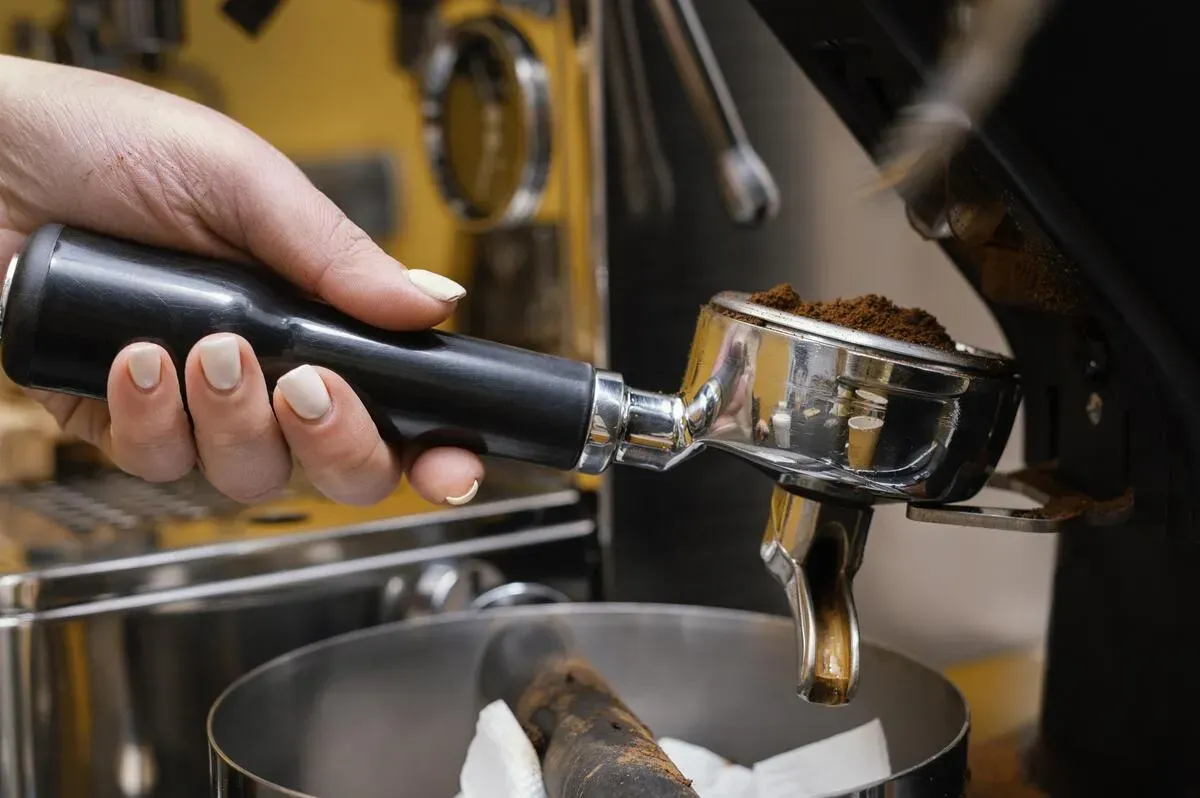
Coffee is now firmly embedded in daily life. In 2025, 76% of UK residents said they regularly drank coffee, highlighting how widespread the habit has become.
Coffee works as a ritual because it creates structure. Morning coffee helps people transition into work. Mid-morning and afternoon cups act as natural reset points during busy days.
Coffee helps solve common daily pain points:
- Rushed mornings
- Long periods of screen time
- Lack of natural breaks
Rather than being about caffeine alone, coffee provides rhythm and reassurance. That’s why it remains so consistent across different age groups and lifestyles.
The social role of coffee in British life
Coffee plays a strong social role in the UK because it’s informal and accessible. It gives people permission to pause, talk and connect without pressure.
Coffee works socially because it:
- Fits short or long conversations
- Doesn’t rely on alcohol or special occasions
- Encourages relaxed, everyday interaction
In workplaces, coffee breaks often spark conversations that wouldn’t happen in meetings. These moments support trust, collaboration and connection, all without formal structure.
Coffee in modern UK workplaces

Coffee plays a significant role in working life. On average, 25% of coffee consumed in the UK is drunk at work or while studying, underlining how central coffee is to professional environments.
As hybrid working has become normal, expectations around workplace coffee have increased. People may visit the office less often, but when they do, they expect shared spaces to feel welcoming and functional.
Workplace coffee supports:
- Focus during demanding days
- Informal collaboration
- A sense of belonging
- Better use of communal areas
This is why many businesses are reviewing their office coffee setup as part of wider workplace experience planning. For examples of modern workplace solutions, our coffee machines for business page.
Rising expectations around coffee quality
Expectations around coffee quality have risen sharply. People are no longer satisfied with coffee that’s simply available. They expect it to taste good and be consistent.
Poor-quality coffee often leads to:
- Staff leaving the office for drinks
- Underused shared spaces
- Frustration around daily routines
Good coffee signals care and attention to detail. It shows that employee experience has been considered, not overlooked. This is one reason many workplaces are moving away from instant options towards bean-to-cup systems.
Sustainability and values in UK coffee culture

Sustainability now plays a visible role in UK coffee culture. Many people want reassurance about ethical sourcing, environmental impact and fair pay for farmers.
According to Fairtrade UK, ethical certification helps support farming communities while encouraging more sustainable practices.
In workplace settings, coffee choices are highly visible. Serving ethically sourced coffee allows businesses to align everyday habits with wider values. A clear example is our very own Puro Fairtrade Coffee, which supports rainforest conservation through its partnership with the World Land Trust.
How UK coffee culture continues to evolve
UK coffee culture continues to evolve alongside changes in work and lifestyle. What remains consistent is coffee’s role as a familiar anchor in the day.
Key influences shaping the future include:
- Hybrid and flexible working
- Higher standards around experience
- Greater interest in ethical sourcing
- Coffee spaces designed for connection
Coffee is no longer an afterthought. It’s part of how people experience their environment.
What British coffee culture means for businesses today
For businesses, coffee is a small detail with a big impact. Poor setups frustrate staff and push them elsewhere. Thoughtful setups improve daily experience quietly and effectively.
Businesses that get coffee right often see:
- Better use of shared spaces
- More informal collaboration
- Fewer daily disruptions
- Stronger employee satisfaction
If you’re considering how coffee fits into your workplace, a well-considered approach can make a real difference.
To explore how better coffee can support your team, visit our contact page and start the conversation.
FAQs
Why is coffee so popular in the UK?
Coffee fits naturally into modern UK routines. It provides structure, comfort and shared moments across work and social life.
How much coffee do people drink in the UK?
In 2025, 76% of UK residents said they regularly drank coffee. It’s one of the most widely consumed drinks nationwide.
How important is coffee in UK workplaces?
Very important. Around 25% of UK coffee consumption happens at work or while studying.
Why do employees care about workplace coffee quality?
Poor coffee creates frustration and sends people elsewhere. Good coffee supports focus, wellbeing and shared experiences.
Has hybrid working changed coffee habits?
Yes. Fewer office days mean higher expectations when people are present, including better shared amenities like coffee.
Do people care where their coffee comes from?
Increasingly, yes. Ethical sourcing and sustainability now influence everyday coffee choices.
What role does sustainability play in coffee culture?
Sustainability helps align daily habits with wider values, particularly around environmental impact and fair trade.
Why do shared coffee spaces matter at work?
They encourage informal conversation, collaboration and connection without formal structure.
How can businesses improve their coffee offering?
By focusing on consistency, quality and values, and choosing solutions designed for modern workplaces.